


Table of Contents Show
The Canadian retail landscape has been evolving rapidly, with many well-known fashion brands adjusting their strategies to remain competitive. Among them, Club Monaco has drawn attention due to store closures and changing operations. These developments have led many consumers to question whether the brand is disappearing entirely.
This article provides a clear and factual explanation of Club Monaco’s current situation. It separates confirmed information from speculation and helps Canadian shoppers understand what these changes mean for them.
2026 Update: Major Flagship Closures in Toronto and Vancouver
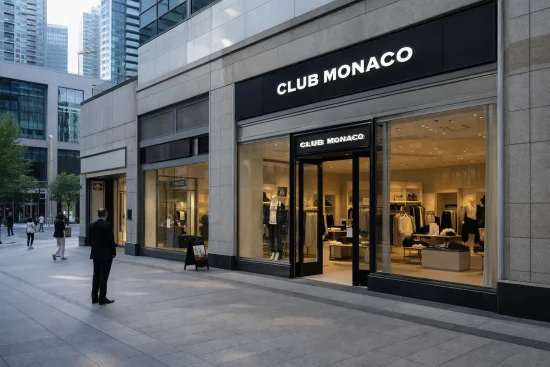
While Club Monaco remains in operation, the brand has recently closed two of its most iconic Canadian locations, sparking renewed questions about its future.
- Queen Street West (Toronto): In December 2025, Club Monaco closed its historic flagship at 403 Queen Street West. This location was the brand’s first-ever store, making its closure a significant symbolic shift for the company.
- CF Pacific Centre (Vancouver): Following the Toronto closure, the brand also shuttered its high-traffic location at CF Pacific Centre in early 2026.
These closures of “heritage” sites are the primary reason many shoppers believe the brand is disappearing. However, these moves are strategic rather than a total exit from the market. By closing expensive, large-scale flagship heritage buildings, the brand is pivoting toward a leaner physical footprint and a more robust digital shopping experience.
Financial Outlook: Restructuring vs. Legal Troubles
While there has been no official filing for bankruptcy or creditor protection, Club Monaco has recently faced several high-profile legal challenges regarding its physical storefronts. This has led to speculation about the brand’s financial health under its current ownership, the private equity firm Regent LP.
- Toronto Eviction (January 2026): One of the last remaining street-front stores in Toronto, located at 2610 Yonge St., was served a formal eviction notice on January 26, 2026. The landlord cited an alleged $133,917.05 in unpaid rent and subsequently changed the locks on the property.
- New York City Litigation: The contraction is not limited to Canada. In late 2025, the brand’s landlord at 160 Fifth Avenue in NYC’s Flatiron District filed a lawsuit alleging over $800,000 in unpaid rent, seeking nearly $1 million in total damages.
- Additional Lawsuits: Similar litigation surfaced at the Westfield Valley Fair Mall in San Jose, California, where landlords alleged nine months of unpaid rent between 2024 and 2025.
The Verdict on Bankruptcy: Currently, these incidents appear to be localized legal disputes between the brand and specific landlords rather than a company-wide insolvency. For the reader, this means that while your local physical store may be at risk of closing due to lease disputes, the brand itself—and its online shopping platform, remains operational.
Is Club Monaco Going Out of Business in Canada?
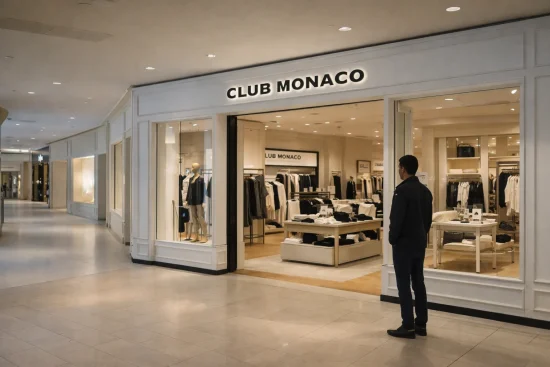
Club Monaco is not going out of business, but it is undergoing a transition in how it operates. The brand continues to serve customers through its online platform and a reduced number of physical stores.
The perception that the company is shutting down largely comes from visible store closures. While these closures can feel significant, they do not indicate a complete shutdown. Instead, they reflect a shift in retail strategy that many fashion brands are currently adopting.
From an operational standpoint, Club Monaco remains active and continues to release new collections, maintain its brand identity, and engage with customers.
Why Are Club Monaco Stores Closing in Canada?
The closure of several Club Monaco locations is part of a broader trend affecting the retail industry in Canada. These decisions are typically driven by long-term business strategy rather than immediate financial distress.
One major factor is the continued growth of online shopping. Consumers increasingly prefer browsing and purchasing clothing digitally, which reduces foot traffic in physical stores. As a result, maintaining large retail spaces becomes less practical.
Another important consideration is the rising cost of operating physical stores. Rent, staffing, and utilities in major Canadian cities can significantly impact profitability. Closing underperforming locations allows brands to focus their resources more effectively.
Additionally, restructuring efforts often involve streamlining operations. By reducing the number of stores, Club Monaco can concentrate on high-performing locations and strengthen its online presence.
Who Owns Club Monaco Now and What Has Changed?
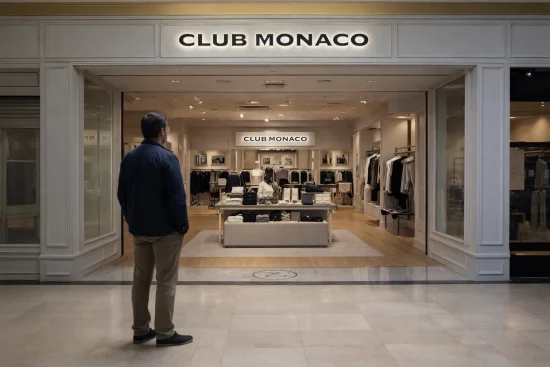
Ownership changes have played a role in shaping Club Monaco’s current direction. The brand was originally founded in Canada and later became part of Ralph Lauren, which helped expand its global reach.
In 2021, Club Monaco was acquired by Regent LP, a firm known for managing and repositioning retail brands. This transition marked a shift toward a more performance-driven business model.
Under new ownership, the focus has been on improving efficiency, refining brand positioning, and adapting to modern retail trends. These changes often include evaluating store performance and making strategic decisions about where and how the brand operates.
Ownership transitions like this are common in the retail industry and do not necessarily indicate that a company is failing. Instead, they often signal an effort to strengthen long-term sustainability.
Is Club Monaco Facing Financial Trouble or Bankruptcy?
There is no confirmed evidence that Club Monaco has filed for bankruptcy. The brand continues to operate and serve customers, which indicates that it remains functional as a business.
It is important to distinguish between restructuring and financial collapse. Restructuring involves making adjustments to improve performance, such as closing certain stores or shifting focus to online sales. Bankruptcy, on the other hand, is a legal process that occurs when a company cannot meet its financial obligations.
In the case of Club Monaco, current developments align more closely with restructuring. While the brand is clearly adapting to market conditions, there is no verified information suggesting that it is unable to sustain its operations.
Misinformation can spread quickly, especially when store closures are involved. However, without official announcements or filings, claims about bankruptcy should be treated with caution.
How Is the Canadian Retail Industry Affecting Club Monaco?
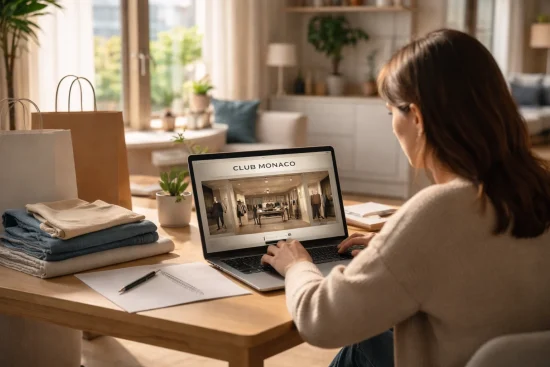
Club Monaco’s situation reflects broader changes in the Canadian retail environment. Many brands are facing similar challenges and are adjusting their strategies accordingly.
One of the most significant shifts has been the rise of e-commerce. Platforms such as Amazon have changed consumer expectations by offering convenience, variety, and fast delivery. This has reduced reliance on traditional retail stores.
At the same time, shopping malls have experienced a decline in foot traffic. Fewer in-store visits directly impact sales, making it harder for physical locations to remain profitable.
Competition has also intensified, with fast fashion brands and direct-to-consumer companies offering more choices at competitive prices. To remain relevant, established brands like Club Monaco must continuously adapt.
These industry-wide trends help explain why store closures are happening and why they do not necessarily signal the end of a brand.
A Shift in Strategy: The End of the “Lifestyle Flagship” Era
To understand why Club Monaco is closing its most famous stores, it is important to look back at its 40-year history. Founded in 1985 by Canadian fashion legends Joe Mimran, Saul Mimran, and Alfred Sung, Club Monaco was more than just a clothing store, it was a pioneer of “lifestyle” retail.
For decades, visiting a Club Monaco flagship was an experience. Their legendary locations, like the Lillian Massey building in Toronto or the original Queen West shop, often featured:
- In-store cafes and bakeries
- Fresh flower shops
- Pop-up farmers markets
- Carefully curated bookstores
The Private Equity Pivot (2021–2026) The brand’s identity began to shift significantly in May 2021, when Ralph Lauren sold Club Monaco to Regent LP, a Los Angeles-based private equity firm. Under Regent’s ownership, the brand has moved away from the expensive “lifestyle” model.
The closure of the Queen West flagship in December 2025 marks the final chapter of this “old era.” Today, the brand is prioritizing a leaner, performance-driven digital model. Instead of operating sprawling, multi-story street-front properties with high overhead, the current strategy focuses on high-efficiency mall locations and a robust e-commerce platform. While the “experience” of the flagship stores is disappearing, the brand itself is attempting to survive by becoming more agile in a digital-first market.
Can Customers Still Shop at Club Monaco?
Customers can still shop at Club Monaco through multiple channels. The brand maintains an active online presence, which has become its primary sales platform.
The website continues to offer a full range of products, including new arrivals and seasonal collections. Online shopping provides convenience and accessibility, especially for customers who no longer have a nearby physical store.
In addition to its digital platform, Club Monaco still operates select retail locations. While fewer in number, these stores allow customers to experience the brand in person.
This combination of online and limited in-store availability reflects a modern retail approach that prioritises flexibility and efficiency.
Where to Shop: Remaining Club Monaco Locations in Canada (2026)
If you are looking to shop at Club Monaco in person, the brand still maintains a footprint in major Canadian premium shopping centres. As of early 2026, approximately 14 physical locations remain active across the country, primarily focused on high-traffic malls rather than independent street-front boutiques.
Here is a directory of where you can still find Club Monaco:
Toronto & GTA:
- Yorkdale Shopping Centre (Toronto)
- CF Sherway Gardens (Etobicoke)
- Square One Shopping Centre (Mississauga)
- Promenade Shopping Centre (Thornhill)
- Toronto Premium Outlets (Halton Hills)
Calgary:
- CF Chinook Centre
- The CORE (TD Square)
Vancouver Area:
- Metropolis at Metrotown (Burnaby)
- McArthurGlen Designer Outlet (Vancouver Airport)
Other Major Cities:
- CF Rideau Centre (Ottawa)
- CF Carrefour Laval (Laval/Montreal)
- Ste-Catherine Street (Montreal)
Note: If your local street-front location (like Queen West or North Yonge) has closed, the brand encourages shoppers to use their official website, which continues to ship nationwide and handle returns for both online and in-store purchases.
What Does the Future Hold for Club Monaco?
The future of Club Monaco will likely depend on how effectively it adapts to ongoing changes in the retail industry. Current trends suggest a continued emphasis on digital growth and streamlined operations.
The brand may further refine its identity to appeal to modern consumers while maintaining its reputation for quality and style. This could involve updating product lines, enhancing the online shopping experience, and focusing on key markets.
While additional store closures are possible, they would likely be part of a strategic approach rather than a sign of decline. Many successful brands operate with fewer physical locations while maintaining strong overall performance.
At this stage, Club Monaco appears to be evolving in response to market conditions rather than moving toward closure.
Real-Life Scenario: What This Means for Canadian Shoppers?
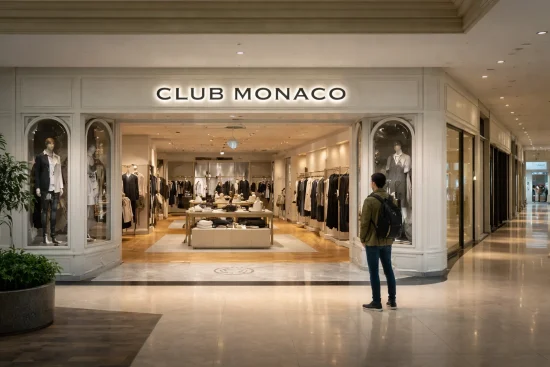
A Canadian shopper who regularly visited a local Club Monaco store may notice that the location has closed and assume the brand is no longer available.
This reaction is understandable, especially when physical stores disappear from familiar shopping areas.
However, upon searching online, the same shopper may find that the brand continues to offer its full product range through its website.
The shopping experience shifts from in-store browsing to digital convenience, often with more options available.
This example highlights how consumer habits are changing. The brand remains accessible, but the way customers interact with it has evolved.
Conclusion: Is Club Monaco Really Going Out of Business?
Club Monaco is not going out of business, but it is clearly in a period of transition. The brand continues to operate, serve customers, and adapt to a changing retail environment.
Store closures, while noticeable, are part of a broader industry shift toward online shopping and more efficient operations. There is no confirmed evidence of bankruptcy, and the brand remains active in Canada and beyond.
For consumers, the key takeaway is that Club Monaco is still available, though the shopping experience may look different than it did in the past.
FAQs
Is Club Monaco shutting down operations worldwide?
Club Monaco continues to operate internationally, although its presence may vary by region due to strategic adjustments.
Are there any Club Monaco stores left in Canada?
Yes, some locations remain open, though the overall number has decreased in recent years.
Can customers return items if stores are closed?
Returns are typically handled through the online platform or designated locations, depending on the purchase method.
Has the brand changed its product quality or pricing?
There is no confirmed evidence of major changes in quality, though pricing and collections may evolve with market trends.
Why do brands focus more on online sales today?
Online platforms offer lower operational costs and greater reach, making them more efficient than traditional retail stores.
Is Club Monaco considered a luxury or premium brand?
It is generally positioned as a premium brand, offering higher-quality apparel compared to fast fashion retailers.
Could Club Monaco expand again in the future?
Expansion is possible, but it would likely be selective and based on market demand and performance.