




Table of Contents Show
Last Updated: 08.04.2026
Are you considering getting dental braces in Ontario but unsure about the cost? While having a beautiful, straight smile is priceless, it’s understandable to be concerned about the expenses associated with orthodontic treatment.
Fortunately, various braces are available to suit different budgets and needs. In this blog post, we’ll explore the different types of dental braces and answer your burning question: How much are braces in Ontario?
So sit tight and get ready to learn everything you need to know before taking on this exciting adventure toward a healthier smile!
What is the Average Cost of Braces in Ontario? (2026 Guide)
In Ontario, the total investment for orthodontic treatment typically ranges from $3,000 to $10,000+. This price varies based on the complexity of your case, the city you live in (Toronto and Ottawa typically have higher overhead), and the type of appliance you choose.
| Braces Type | Estimated Cost Range (CAD) | Best For |
| Traditional Metal | $3,000 – $7,500 | Severe cases & budget-conscious patients |
| Ceramic (Clear) | $4,500 – $8,500 | Adults wanting a discreet, fixed option |
| Invisalign / Aligners | $4,000 – $8,500 | Mild-to-moderate cases & lifestyle flexibility |
| Lingual (Behind-Teeth) | $8,000 – $12,000+ | Complete invisibility (Premium option) |
| Self-Ligating | $4,000 – $8,000 | Faster appointments & easier cleaning |
What’s Included in These Prices?
Most Ontario orthodontists provide “all-inclusive” quotes. When comparing clinics, ensure your estimate includes:
- Diagnostic Records: Digital X-rays, 3D scans, and photos ($250–$500 value).
- All Adjustment Visits: Monthly check-ups for 12–36 months.
- Emergency Repairs: Fixing broken brackets or poking wires.
- Initial Retainers: One set of removable or fixed retainers post-treatment.
Why Does Where You Live in Ontario Affect the Price?
The cost of braces is not the same across the province. Like real estate, orthodontic fees are influenced by the local cost of living and clinic overhead.
Urban vs. Rural Pricing
If you are seeking treatment in major metropolitan hubs like the GTA (Toronto, Mississauga, Brampton) or Ottawa, expect to pay 15% to 25% more than in smaller communities.
- Major Cities: Higher commercial rents and staffing costs mean a typical metal braces treatment might start at $6,000+.
- Smaller Towns: In areas like Peterborough, Kingston, or Belleville, the same treatment may range closer to $3,000 – $5,500 due to lower operational overhead.
The “Free Consultation” Standard
The good news for Ontarians is that the barrier to entry is low. Most orthodontists in Ontario offer a free initial consultation.
What to expect: This 30-to-60-minute visit usually includes a visual exam and a preliminary quote.
Pro Tip: While the exam is often free, some clinics may charge a separate fee ($250–$400) for “Diagnostic Records” (X-rays and 3D digital scans) if you decide to proceed. Always ask if records are included in your total quote or billed separately.
Finding Value in Ontario
Don’t assume the most expensive clinic in downtown Toronto is “better.” Many top-rated orthodontists in the suburbs or smaller Ontario cities use the exact same technology (like iTero scanners or Damon brackets) but at a lower price point because their rent is lower.
Hidden Costs: What’s Not in the Initial Quote?
When you receive a quote for braces in Ontario, it is often “all-inclusive,” but you should always confirm if these three common “hidden” expenses are covered:
- Diagnostic Records ($250 – $500): This covers the high-resolution 3D scans (iTero), X-rays, and digital photos needed to create your treatment plan.
- Replacement Retainers ($200 – $600 per set): Your first set is usually free, but if you lose or break them (very common!), you will have to pay out-of-pocket for replacements.
- Emergency Repair Visits: Most clinics include these, but some may charge a “convenience fee” for after-hours or weekend repairs for broken brackets.
Estimate Your Monthly Payments
Most Ontario families choose to break the total cost into monthly interest-free installments. Here is a look at what a typical $6,000 treatment plan looks like in 2026:
| Breakdown Item | Estimated Amount |
| Total Treatment Cost | $6,000 |
| Initial Down Payment (Typical 20%) | -$1,200 |
| Remaining Balance | $4,800 |
| Monthly Payment (over 24 months) | $200 / month |
Note: Many clinics now offer “Low Down Payment” options starting as low as $500, though this will increase your monthly installments.
What Are Dental Braces?
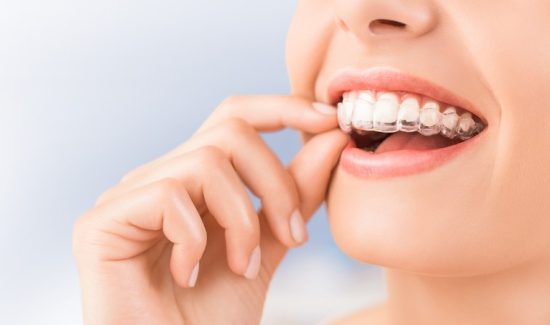
Dental braces are orthodontic devices that are used to correct misaligned teeth and jaws. They are made up of brackets, wires, and bands that cooperate to force the teeth into their right locations over time gently.
Braces can be made from different materials, such as metal, ceramic or clear plastic. Metal braces are the most common type and are known for their durability and effectiveness in correcting dental issues. Ceramic braces blend in with the natural colour of your teeth, making them less noticeable than metal ones.
Orthodontists use various techniques when installing braces, including wire tightening or changing rubber bands. The type of brace chosen will depend on individual needs such as age, severity of the condition being treated, personal preferences and budget.
It’s important to note that getting braces is not a quick fix – it requires commitment and patience because treatment times vary based on each person’s unique situation. However, if you’re looking for a long-term solution to achieve a healthier smile, dental braces may just be what you need!
How Do Dental Braces Work?
Dental braces work by applying constant pressure to the teeth, which gradually moves them into their proper position. This process is made possible through the use of brackets, wires, and rubber bands that are attached to the teeth.
The brackets are usually made of metal or ceramic materials and are bonded to each tooth with a special adhesive. After that, the archwire is inserted into every bracket and tightened as necessary to gently press the teeth.
Over time, this consistent application of force causes bone tissue in the jaw to break down on one side and grow on the other. As a result, your teeth slowly shift toward their desired location.
It’s important for patients receiving orthodontic treatment to follow all instructions provided by the dentist in Ontario or any Canadian orthodontist. This includes attending regular appointments for adjustments, avoiding certain foods that could damage braces (such as hard candies), and practicing good oral hygiene habits throughout treatment.
While it may take several months or even years for dental braces to fully correct misaligned teeth, many people find that this investment in their smile is well worth it in the end.
What Are the Different Types of Dental Braces?
Dental braces can provide a long-term solution to dental problems that cannot be treated with other methods. They work by straightening teeth and correcting bite issues which can lead to better oral health as well as improved self-esteem and confidence.
Different types of dental braces are available such as traditional metal brackets or ceramic brackets that blend in more naturally with your teeth. Lingual or invisible braces fit behind your teeth, making them virtually undetectable, but they tend to be more expensive than other options.
Metal Braces
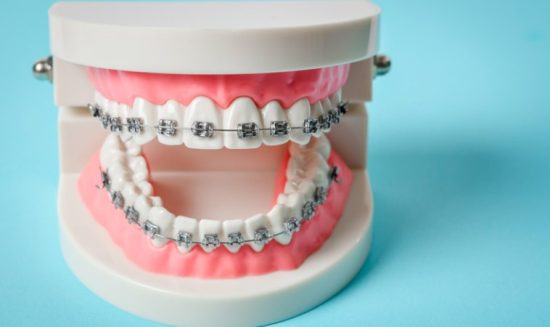
Metal braces are the traditional and most common method of orthodontic treatment. They consist of metal brackets that are attached to each tooth with a special adhesive. A thin wire then connects the brackets, tightened over time to gradually move the teeth into their desired positions.
One advantage of metal braces is their durability. They can withstand more pressure than other types of braces, making them ideal for complex cases where significant movement is needed. Additionally, they require fewer visits to the orthodontist for adjustments since they don’t need frequent replacement like some other options.
However, one downside of metal braces is their visibility. As a result, many people feel self-conscious about wearing them as they can be quite noticeable in the mouth. This has led to the development of newer, more discreet options such as ceramic or lingual braces.
If you’re looking for an effective and reliable way to straighten your teeth and improve your bite, metal braces may be a good option for you – especially if you have severe dental issues that require strong support during treatment.
Lingual Braces
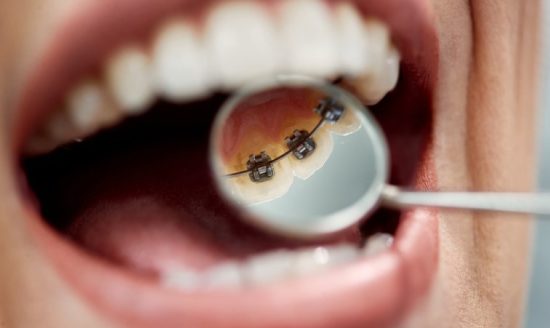
Lingual braces are a type of dental brace that is attached to the back of your teeth. They are also known as “incognito” or “hidden” braces because they are not visible from the front. This makes them ideal for people who want to straighten their teeth without anyone noticing.
The process of getting lingual braces involves taking detailed impressions of your teeth, which are used to create custom-made brackets and wires that fit on the back of each tooth. Because they are customized, lingual braces offer high precision and control during treatment.
One advantage of lingual braces is that they can be used to treat virtually any orthodontic problem, including complex cases involving severe crowding or misalignment. They may take longer than traditional metal braces to achieve results, but many patients find them more comfortable and aesthetically pleasing.
However, there are some drawbacks associated with lingual braces. They can be more difficult to clean and maintain than other types of braces since they cannot be seen easily in the mirror while brushing or flossing. Additionally, speech patterns may take some time to adjust with these appliances initially placed on teeth at the backside.
Ultimately, whether you choose lingual or another type depends on several factors, such as cost and personal preference, alongside your dentist’s opinion regarding what will work best for you individually!
Ceramic Braces
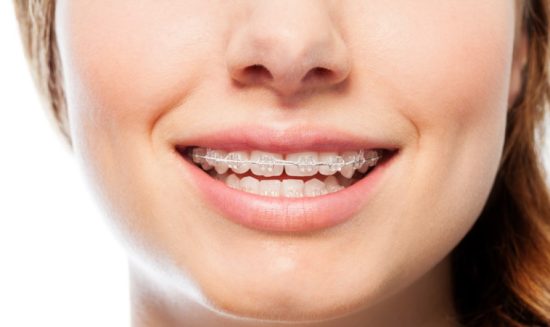
Ceramic braces are a type of orthodontic treatment that is similar to traditional metal braces. However, instead of metal brackets and wires, ceramic braces use clear or tooth-coloured materials that blend in with the teeth.
One of the advantages of ceramic braces is their aesthetic appeal compared to metal braces. They are less noticeable and provide a more natural look, making them popular among adults who may feel self-conscious about wearing traditional metal braces.
Another advantage of ceramic braces is their durability. The material used for these types of braces is strong enough to withstand typical daily wear and tear without breaking easily.
However, there are some drawbacks associated with ceramic braces as well. They tend to be more expensive than traditional metal braces due to the costlier material used for manufacturing them. Also, they require extra care when cleaning because they can stain if not taken care of properly.
While ceramic braces offer an esthetically pleasing alternative to traditional metal brackets and wires, it’s important to consider all your options before making a decision on orthodontic treatment based solely on appearance.
Invisalign
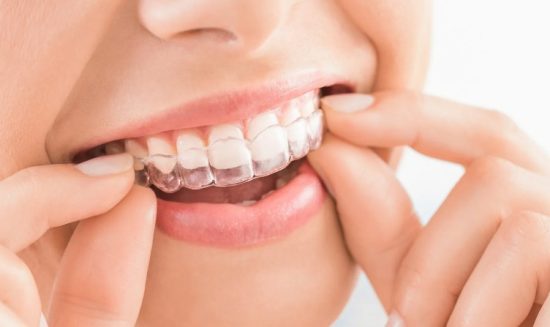
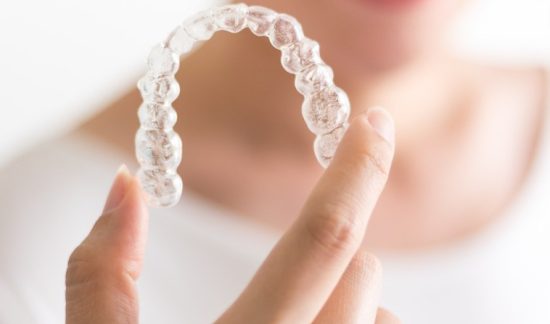
Invisalign is a type of dental braces that has become increasingly popular. Invisalign aligners are comprised of clear plastic and, in contrast to conventional metal braces, are practically undetectable while worn. They work by applying gentle pressure to the teeth, gradually moving them into the desired position.
One of the biggest advantages of Invisalign is its convenience. Patients can remove them for eating and brushing their teeth, making maintaining good oral hygiene during treatment easier. Additionally, since they are made from smooth plastic instead of metal brackets and wires, patients experience less discomfort during treatment.
Another advantage is that Invisalign typically requires fewer office visits than traditional braces. The aligners need to be changed every two weeks, but most appointments only involve checking progress and providing new sets of aligners.
While there may be some cases where traditional braces are still necessary for more severe orthodontic issues, many patients find that Invisalign offers a discrete and convenient way to achieve straighter teeth without the hassle or discomfort associated with traditional braces.
Self Ligating Braces
A self-litigating brace is a dental brace that uses clips instead of elastic bands to hold the archwire in place. This allows for more efficient tooth movement and can shorten treatment time compared to traditional braces.
The clips on self-ligating braces reduce friction, which means fewer adjustments may be needed throughout treatment. They also make it easier to maintain good oral hygiene because no elastic bands can trap food particles or plaque.
One advantage of self-ligating braces is that they come in both metal and ceramic options, so patients have a choice based on their aesthetic preferences.
While self-ligating braces may cost slightly more than traditional braces, they can save money in the long run by requiring fewer appointments and potentially shortening treatment time.
Not all patients are candidates for self-ligating braces, and an orthodontist should evaluate each case before deciding which type of brace to use.
How to Pay for Braces in Ontario?: Insurance & Government Programs
Navigating the financial side of orthodontics in Ontario can be confusing. Here is exactly how provincial and federal programs work as of 2026.
Private Dental Insurance (The “Lifetime Maximum” Warning)
Most employer-provided dental plans in Ontario (such as Sun Life, Manulife, or Canada Life) handle orthodontics differently than regular cleanings.
- The Lifetime Cap: Unlike your annual $2,000 cleaning limit, braces usually have a Lifetime Maximum (typically between $1,500 and $3,500). Once you hit this limit, the insurance will not pay for orthodontic treatment again.
- The 50% Rule: Most plans only cover 50% of the total cost up to that lifetime cap.
The Canadian Dental Care Plan (CDCP) – 2026 Rules
As of 2026, the CDCP provides limited coverage for braces, but it is not for cosmetic reasons.
- Pre-Authorization is Mandatory: Your orthodontist must submit a detailed “Digital Pre-Authorization” request to Sun Life before any treatment starts. If you start before getting this approval, you will not be reimbursed.
- Medical Necessity: Coverage is generally reserved for severe cases where the misalignment affects eating, speaking, or physical health.
- Co-Payments: Depending on your adjusted family net income, you may still be responsible for a co-pay of 20% to 60% of the CDCP fee guide.
Healthy Smiles Ontario (HSO) Eligibility
For children 17 and under, Healthy Smiles Ontario provides free emergency and routine care. For braces to be covered, the case must be “medically necessary.”
To qualify based on income in 2026, your Adjusted Family Net Income must be at or below these levels:
| Number of Children | Annual Income Limit (Approx.) |
| 1 Child | $26,551 |
| 2 Children | $28,560 |
| 3 Children | $30,568 |
| 4 Children | $32,577 |
Is Braces Treatment Tax Deductible?
Yes. In Ontario, orthodontic treatment is considered a qualifying medical expense. You can claim the portion you paid out-of-pocket on your annual tax return under the Medical Expense Tax Credit (METC) to help offset the overall cost.
The 2026 Cost Summary: What to Expect
To summarize, while Traditional Metal Braces remain the most cost-effective entry point starting around $3,000, advanced options like Invisalign and Ceramic Braces offer more discretion for a mid-range investment of $4,000 to $8,500. For those seeking total invisibility, Lingual Braces sit at the premium end of the Ontario market, often exceeding $10,000.
Your final price will be determined by three main factors:
- Case Complexity: (How much tooth movement is required).
- Treatment Duration: (12 months vs. 36 months).
- Clinic Location: (GTA/Ottawa vs. Rural Ontario).
Conclusion
As we come to the end of this article, it’s important to note that the cost of braces in Ontario can vary based on a number of factors. It ultimately depends on the type of braces you choose and your individual needs and preferences.
One thing is for sure: getting braces is an investment in your dental health and overall well-being. Straighter teeth not only improve your appearance but can also prevent future dental problems.
When considering getting braces, it’s important to research different options and consult with orthodontic professionals who can provide personalized recommendations. With advances in technology, more braces are available than ever – from traditional metal brackets to clear aligners like Invisalign.
Ultimately, the decision to get braces is one that should be made with careful consideration. While cost may be a factor, remember that investing in your oral health will pay off in the long run.
Frequently Asked Questions: Braces Costs in Ontario (2026)
How much are braces in Ontario without insurance?
Expect to pay $3,000–$7,500 for metal braces or $4,500–$8,500 for Invisalign. Prices depend on case complexity and location; GTA clinics typically charge 15% more than rural Ontario offices. Budget an extra $300–$500 for initial X-rays and 3D scans if they aren’t included in your quote.
How to get free or low-cost braces in Ontario?
Low-income families can utilize Healthy Smiles Ontario (HSO) if the treatment is medically necessary (2026 income limit for 1 child: $26,551). Additionally, the Canadian Dental Care Plan (CDCP) offers coverage for severe cases with mandatory pre-authorization. For 30–50% savings, consider the University of Toronto’s student dental clinic.
Are braces covered by dental insurance in Ontario?
Most private plans (Manulife, Sun Life) cover 50% of costs but have a Lifetime Maximum of $1,500–$3,500. Unlike cleaning limits, this cap never resets. If your braces cost $6,000 and your cap is $2,000, you will pay the remaining $4,000 out-of-pocket.
Does OHIP pay for braces?
No, OHIP does not cover braces or Invisalign for orthodontic purposes. Coverage is only granted for reconstructive jaw surgery performed in a hospital due to severe accidents or congenital deformities. For standard alignment, you must rely on private insurance, government assistance programs, or tax credits.