



Table of Contents Show
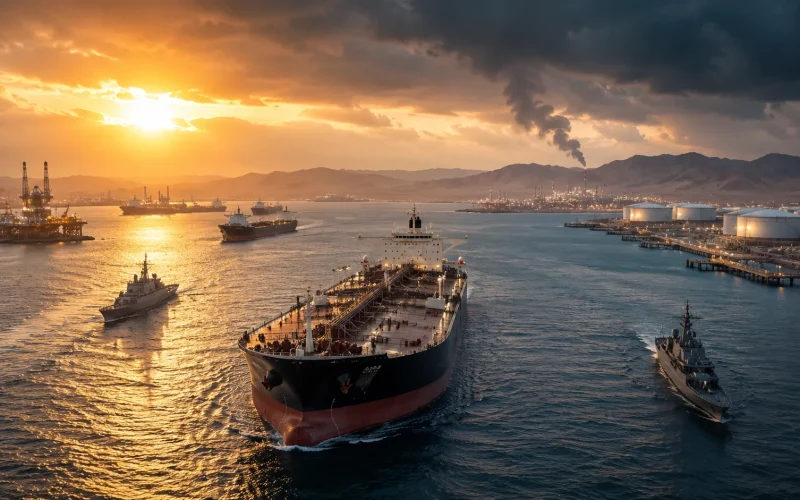
Global crude oil prices have risen sharply as renewed fighting between the United States and Iran raises fears of disruption to energy supplies moving through the Strait of Hormuz.
On 14 July 2026, Brent crude, the main international oil benchmark, traded above US$85 per barrel and reached its highest level in approximately one month. West Texas Intermediate, or WTI, also climbed above US$80 per barrel during the trading session.
The latest crude oil price rise is being driven primarily by geopolitical risk rather than a sudden increase in global demand. Investors and energy traders are concerned that continued military action, shipping restrictions or attacks on commercial vessels could reduce the amount of oil reaching international markets.
Why Are Crude Oil Prices Rising?
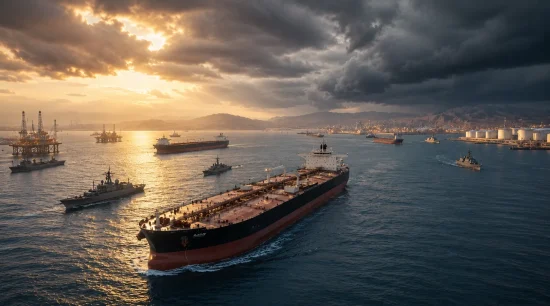
Crude oil prices rose after the United States reinstated restrictions on Iranian shipping and carried out further military strikes against Iranian targets.
Iran responded with additional attacks in the region, increasing concerns about the safety of tankers and other commercial vessels operating near the Persian Gulf.
The renewed confrontation has placed the Strait of Hormuz at the centre of the global energy market. The narrow waterway connects the Persian Gulf with the Gulf of Oman and provides a route for crude oil exports from several major producers, including Saudi Arabia, the United Arab Emirates, Kuwait, Iraq and Iran.
The international oil market is therefore adding a geopolitical risk premium to crude prices. This means buyers are willing to pay more because of the possibility that future supplies could be interrupted, even when a major physical shortage has not yet occurred.
How Much Have Crude Oil Prices Increased?
Brent crude rose from approximately US$75.48 per barrel on Friday to around US$85.66 during trading on Tuesday, representing an increase of about 13.5% over two trading days.
Separate market reports recorded Brent at between US$85 and US$86 per barrel during the session, reflecting normal intraday price changes. WTI crude gained close to 3% and traded at approximately US$80.42 per barrel in early trading.
| Oil benchmark | Approximate price on 14 July 2026 | Recent movement |
| Brent crude | US$85 to US$86 per barrel | Up around 13.5% over two trading days |
| WTI crude | Around US$80 per barrel | Up approximately 2.5% to 3% during Tuesday trading |
These figures are intraday market prices and can change rapidly as traders react to military developments, tanker movements, diplomatic statements and supply information.
Why Is the Strait of Hormuz So Important?
The Strait of Hormuz is one of the world’s most important energy transit routes.
According to the US Energy Information Administration, approximately 20 million barrels of oil passed through the strait each day during 2024. That was equivalent to about 20% of global petroleum liquids consumption.
The waterway also carries a substantial share of the world’s liquefied natural gas exports, particularly supplies originating in Qatar. Around one-fifth of global LNG trade passed through the strait in 2024.
A complete or prolonged closure could therefore affect:
- Crude oil deliveries
- Refined fuel supplies
- Liquefied natural gas shipments
- Shipping and insurance costs
- Manufacturing and transport expenses
- Inflation in oil-importing countries
Even limited disruption can push prices higher because shipping companies may need to pay increased insurance premiums, security charges or other risk-related costs.
Is There Already a Global Oil Shortage?
The latest price increase does not necessarily mean that the world has run out of oil. Instead, markets are reacting to the risk that future supplies could be delayed or interrupted.
The International Energy Agency reported that global oil supply rebounded by approximately 4.1 million barrels per day in June 2026 as flows through the Strait of Hormuz partially recovered. However, total output remained below pre-conflict levels, leaving the market vulnerable to another disruption.
Oil markets often move before a physical shortage becomes visible. Traders price contracts according to expected future supply and demand, meaning military escalation can cause an immediate crude oil price rise even while tankers are still moving.
The duration of the conflict will therefore be critical. A rapid diplomatic agreement could remove some of the geopolitical premium, while extended attacks or new restrictions on shipping could keep prices elevated.
How Is the Crude Oil Price Rise Affecting Stock Markets?
The rise in oil prices has produced mixed results across global stock markets.
Energy companies generally benefited because higher crude prices can improve revenue and profit margins for oil producers. Shares in several major international energy companies rose as crude prices climbed.
However, airlines, transport businesses, manufacturers and other energy-intensive companies came under pressure because higher oil prices increase operating expenses.
European shares declined as investors assessed the potential impact of higher energy costs on inflation, consumer spending and interest rates. Travel and leisure stocks were among the sectors facing the strongest pressure, while companies such as BP benefited from the oil-price rally.
Technology and semiconductor shares also experienced volatility. Investors sold some highly valued AI and chip stocks as geopolitical uncertainty encouraged a move away from riskier assets.
What Does the Crude Oil Price Rise Mean for Canada?
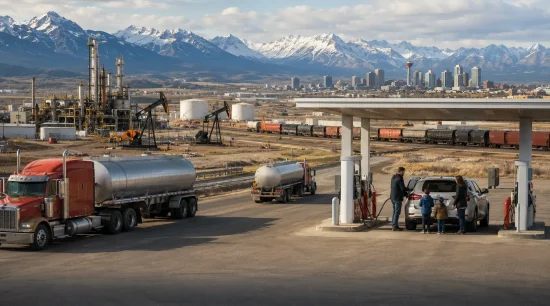
Canada is both a major oil producer and a large consumer of refined fuels, meaning higher crude prices can create winners and losers across the economy.
Canadian energy producers may benefit from increased global oil prices. Higher selling prices can support revenues, investment and provincial royalty payments in oil-producing regions such as Alberta, Saskatchewan and Newfoundland and Labrador.
The energy sector of the S&P/TSX Composite gained more than 3% during the latest oil rally, although weakness in other sectors prevented the wider Canadian market from recording an equivalent increase.
Higher oil prices can also support the Canadian dollar because Canada is a net exporter of crude oil. The Canadian dollar strengthened against several currencies as oil prices rose during the latest escalation, although exchange rates remain affected by interest rates, trade policy and broader investor sentiment.
However, higher crude prices can create significant costs for Canadian households and non-energy businesses.
Possible effects include:
- Higher petrol and diesel prices
- Increased trucking and delivery expenses
- More expensive air travel
- Higher agricultural production costs
- Increased manufacturing expenses
- Rising heating and utility costs
- Additional inflationary pressure
Businesses with fuel-dependent operations may eventually pass some of these costs to customers through higher prices.
Could Petrol and Diesel Prices Increase?
Retail fuel prices do not always rise immediately or by the same percentage as crude oil. Petrol and diesel prices also depend on refining margins, local supply, distribution costs, taxes and currency movements.
Nevertheless, a sustained increase in crude oil normally places upward pressure on wholesale and retail fuel costs.
Transport companies are particularly exposed. Trucking businesses, couriers, construction companies, agricultural operators and airlines may face higher fuel bills if crude prices remain elevated.
Some companies use fuel surcharges or hedging contracts to manage these costs. Smaller businesses without these protections may experience a faster reduction in profit margins.
Could Higher Oil Prices Increase Inflation?
Energy costs influence the price of many goods and services because fuel is used to transport products, operate machinery, heat buildings and generate industrial output.
The Bank of Canada previously warned that higher oil prices linked to the Middle East conflict had contributed to increased inflation. The Bank said inflation was expected to ease towards its 2% target in 2027, although that outlook depends partly on the future direction of energy prices.
A temporary oil-price spike may have a limited long-term effect if prices fall quickly. A sustained period above US$85 or US$100 per barrel could have a more significant impact on transport costs, household budgets and inflation expectations.
Persistent energy inflation could also complicate interest-rate decisions. Central banks may be reluctant to reduce rates when higher fuel prices are pushing headline inflation upwards.
Could Crude Oil Reach US$100 Per Barrel?
Crude oil could move towards US$100 per barrel if the conflict causes a meaningful and prolonged reduction in supply. However, such a move is not guaranteed.
Prices are likely to depend on several factors:
- Strait of Hormuz traffic: Markets will watch whether tankers can continue moving safely through the waterway.
- Military escalation: Further attacks on ports, tankers, pipelines or energy facilities could push prices higher.
- Diplomatic negotiations: A ceasefire or credible peace agreement could reduce the geopolitical risk premium.
- OPEC+ production: Additional output from major producers could help replace disrupted supplies.
- Global demand: Weak economic growth could limit the price increase by reducing energy consumption.
- Strategic reserves: Governments may release emergency oil stocks if shortages become severe.
Brent has previously traded at much higher levels during periods of intense supply concern. However, the current price remains below the peaks recorded earlier in the 2026 conflict, when Brent temporarily moved close to US$120 per barrel.
Predictions of US$100 oil should therefore be treated as scenarios rather than confirmed forecasts.
Which Businesses Are Most Exposed to Higher Crude Prices?

The industries most directly affected are those that use large amounts of fuel or petroleum-based products.
Transport and logistics
Haulage companies, delivery services, airlines and shipping operators may experience an immediate increase in fuel and insurance costs.
Retail and food businesses
Retailers may face higher distribution costs, while food businesses can be affected by increased agricultural, refrigeration and packaging expenses.
Manufacturing
Manufacturers use petroleum both as an energy source and as a raw material for plastics, chemicals, lubricants and other products.
Construction
Construction companies may pay more for diesel, asphalt, transport and petroleum-derived materials.
Hospitality and tourism
Higher airline and road travel costs could reduce discretionary travel or increase the cost of operating hotels, attractions and tour services.
Oil and gas producers
Energy producers may benefit from higher selling prices, although gains can be limited by production costs, transportation bottlenecks, price discounts and government royalties.
What Should Businesses Monitor Next?
Businesses should watch developments in the Strait of Hormuz rather than relying only on the daily crude oil price.
Important indicators include tanker traffic, shipping insurance premiums, military activity, diplomatic negotiations, OPEC+ announcements and government decisions about strategic petroleum reserves.
Companies with significant fuel exposure may also review supplier contracts, delivery charges, inventory levels and pricing arrangements. Any changes should be based on actual business costs rather than short-term market headlines.
Consumers and investors should remember that commodity prices are volatile. A military escalation can produce a rapid increase, while news of a ceasefire can cause an equally sharp decline.
Conclusion
The latest crude oil price rise has pushed Brent above US$85 per barrel and WTI to approximately US$80 as renewed US-Iran fighting increases fears of supply disruption.
The Strait of Hormuz remains the central concern because around one-fifth of global petroleum liquids consumption passes through the route. Although higher prices may support Canadian oil producers and the energy sector, they can also raise fuel, transport and manufacturing costs.
The future direction of crude prices will depend mainly on whether tanker traffic continues, the conflict escalates and diplomatic efforts produce a credible reduction in regional tensions.
Frequently Asked Questions
Why did crude oil prices rise in July 2026?
Prices increased because renewed fighting between the United States and Iran created fears that oil shipments through the Strait of Hormuz could be interrupted.
What is the current Brent crude oil price?
Brent traded at approximately US$85 to US$86 per barrel on 14 July 2026. The exact price changes throughout the trading day.
How much did Brent crude rise?
Brent increased by approximately 13.5% over two trading days, rising from around US$75.48 to US$85.66 per barrel.
Why does the Strait of Hormuz affect oil prices?
Approximately 20% of global petroleum liquids consumption passes through the waterway. Any disruption could reduce or delay supplies reaching international markets.
Will fuel prices rise in Canada?
A sustained crude oil increase could raise wholesale petrol and diesel costs. Retail prices will also depend on refining costs, taxes, local supply conditions and the Canadian dollar.
Does Canada benefit from higher oil prices?
Canadian oil producers and some provincial governments may benefit through increased revenues and royalties. Consumers and fuel-dependent businesses may face higher expenses.
Will crude oil reach US$100 per barrel?
It is possible if supply disruptions become severe or prolonged, but it is not certain. Successful diplomacy, increased production or weaker demand could prevent prices from reaching that level.
Can higher oil prices affect interest rates?
Yes. Sustained energy-price increases can contribute to inflation, potentially influencing decisions made by the Bank of Canada and other central banks.