



Table of Contents Show
Last Updated: 27.03.2026
Are you intimidated by the thought of filing your taxes in Canada? Don’t worry; you’re not alone! Navigating the CRA (Canada Revenue Agency) tax system can be overwhelming due to complex regulations. But fear not, we’ve got you covered with our 2026 step-by-step guide. From gathering slips to submitting your return via CRA My Account, we’ll walk you through everything you need to successfully file your taxes this year.
How to File Taxes with the CRA: 2026 Guide
Filing your income tax and benefit return is straightforward when you follow these eight steps:
- Gather Your Tax Slips and Documents Collect all T4s (employment), T5s (investments), and receipts for deductible expenses like childcare or medical costs.
- Confirm Your Residency and Filing Status Determine if you are filing as an individual, with a spouse, or as a common-law partner, as this affects your credits.
- Choose a CRA-Certified Filing Method Select between NETFILE-certified software (fastest), a tax professional (EFILE), or a paper return.
- Report All Income Sources Enter your total income from employment, self-employment, tips, and investments into your tax software.
- Claim Deductions and Tax Credits Apply for the Basic Personal Amount, RRSP contributions, and relevant provincial credits to reduce your tax bill.
- Review for Errors and Omissions Verify your Social Insurance Number (SIN) and bank details for direct deposit to avoid processing delays.
- Submit Your Return to the CRA Hit “Submit” via your software to transmit data instantly to the Canada Revenue Agency.
- Track Your Refund Status Log into your CRA My Account to view your Notice of Assessment (NOA) and track your payment.
Who Needs to File Taxes?
If you are a Canadian resident, you must file a tax return annually. The Canada Revenue Agency (CRA) requires that you file a return even if you did not earn any income during the year. If you are self-employed, you will also need to file a return.
There are a few exceptions to this rule. You don’t have to file a tax return if,
- You are a full-time student, and your only income is from scholarships, bursaries, or grants
- You are under the age of 18, and your only income is from investments
- You are a Crown employee working outside of Canada, and your employer is exempt from income tax in Canada
- You are a non-resident of Canada, and your only Canadian source of income was from employment or pensions, and that income was subject to non-resident withholding taxes
You may also be required to file a tax return if you sold any investments during the year, received employment insurance premiums, or had to pay taxes on tips.
What Types of Taxes Are Available in Canada?
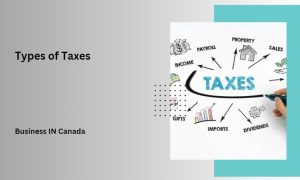
Canada has three main types of taxes:
- Federal
- Provincial
- Municipal
The federal government imposes federal taxes, which are used to fund national programmes and services. Provincial taxes are imposed by the province or territory where you reside and are used to fund provincial programs and services. Municipal taxes are imposed by municipalities and are used to fund local programs and services.
The amount of tax you pay is based on your income and the type of tax being levied. For example, federal income tax is calculated based on your taxable income, while provincial sales tax is calculated based on the purchase price of goods and services.
Most Canadians pay all three types of taxes, but some exceptions exist. For example, residents of Quebec only pay federal and provincial taxes, while residents of Nunavut only pay federal taxes.
What are the Required Documents for Filing Taxes?
You’ll need to gather a few required documents to file your taxes in Canada. Here’s what you’ll need:
- Your Social Insurance Number (SIN)
- Individual Tax Number(ITN)
- A copy of your most recent tax return
- All relevant T4 slips (these show the income you received from your employer during the year)
- Any other relevant slips or forms (such as interest income statements or receipts for expenses)
- Your RRSP contribution information
If you need help finding all this information, don’t worry – your accountant or tax preparation software will help.
Social Insurance Number
A social insurance number (SIN) is a unique nine-digit number for every one issued by the Government of Canada. It is required to work in Canada, apply for government programs and benefits, and file personal income taxes.
You are eligible for a SIN if you are a Canadian citizen, permanent resident or temporary resident. If you are not a Canadian citizen or permanent resident, you may still be eligible for a SIN if you have a valid work permit.
You can apply for a SIN at any provincial Service Canada office. However, you must bring proof of your identity and status in Canada.
Once you have been issued a SIN, keeping it safe and confidential is essential. Your SIN is similar to a credit card number – it should not be given out unless it is necessary and you are sure the person receiving it is authorised to do so.
Individual Tax Number
Most people filing taxes in Canada including citizens, permanent residents, and temporary residents with work permits—will use a Social Insurance Number (SIN).
You only need an Individual Tax Number (ITN) if you are a non-resident who is not eligible for a SIN but still needs to file a Canadian tax return (for example, international students without work permits or non-residents receiving Canadian rental income). If you already have a SIN, you do not need an ITN.
What are the Steps to File Taxes in Canada?
It’s that time of year again! Time to start thinking about your taxes. If you’re a Canadian resident, you’re required to file a tax return every year. Filing your taxes may appear to be difficult, but it does not have to be.
We’ve put together a step-by-step guide on filing your taxes in Canada, so you can get it done confidently.
Get organised: Before you begin, ensure you have all the relevant documents and information. This includes your T4s from your employer, any receipts for expenses, and your bank account information.
Choose a filing method:
You can file your taxes yourself using
- Online software in NETFILE-certified tax software
- By tax preparer using EFILE-certified tax software
- Community volunteer tax clinic
- Paper tax return
- File my Return – Automated phone line
For the fastest processing, use CRA-certified NETFILE software to submit your return digitally.
Enter your information: Once you’ve chosen a filing method, you’ll need to enter all of your personal and financial information into the system. This includes things like your income, tax deductions, and dependents.
Review and submit: Before you submit your return, make sure to review everything carefully. Once you’re happy with everything, hit the submit button and wait for your refund!
Track your progress: Once you’ve submitted your return, you can track its progress with the Canada Revenue Agency’s website or mobile app. This will tell you when to anticipate your refund. You can check your status and view your Notice of Assessment by logging into your CRA My Account.
Filing taxes doesn’t have to be a difficult experience. With our step-by-step guide, you can easily file your Canadian taxes and get on with the rest of your life!
When Should You File Your Taxes?
It’s important to file your taxes on time annually. The tax filing deadline is April 30th. You may be subject to late fees and interest charges if you miss the deadline.
If you need to figure out when you should file your taxes, there are a few things you can do to figure it out. First, check your Notice of Assessment date from the previous year. This will tell you the date that your return is due.
Second, use the Canada Revenue Agency’s (CRA) online tax tools. These can help you calculate when your return is due.
Third, you can contact the CRA directly for help if you need clarification. They can give you specific information about when your return is due based on your individual situation.
2026 Canadian Tax Deadlines at a Glance
| Taxpayer Category | Filing Deadline | Payment Deadline |
| Most Individuals | April 30, 2026 | April 30, 2026 |
| Self-Employed Persons | June 15, 2026 | April 30, 2026 |
| Spouse of Self-Employed | June 15, 2026 | April 30, 2026 |
| Deceased Persons | 6 months after death | Variable |
Pro Tip: Even if you cannot pay your balance in full, file by the deadline to avoid the 5% late-filing penalty on the balance owing.
Common Mistakes People Make When Filing Taxes in Canada
There are a number of common mistakes that people make when filing their taxes in Canada. Here are some of the common mistakes people make when filing taxes:
- Not filing on time: The deadline for filing your taxes in Canada is April 30th. You will be subject to late filing penalties if you miss this deadline.
- Not declaring all of your income: It is important to declare all your income, even from sources outside of Canada. Failure to comply may result in fines and interest costs.
- Claiming excessive deductions: While taking advantage of all the deductions and credits you are entitled to be necessary, claiming too many can be red flags for the CRA and result in an audit.
- Filing electronically: Many people believe that filing their taxes electronically will result in a faster refund. However, this is not always the case. In fact, paper filings often result in faster refunds than electronic filings.
- Not keeping good records: Be sure to keep good records of all your income and expenses throughout the year. This will make it much easier to file your taxes accurately and avoid any penalties or interest charges.
Conclusion
Filing taxes in Canada can seem daunting, but with the right information and tools, it doesn’t have to be. Following our step-by-step guide will give you everything you need to file your taxes correctly and on time.
Also, be sure to take advantage of all the deductions available to you and use free online tax filing services if necessary. With a little bit of preparation, filing your taxes will be quick and painless!
FAQs – How to File taxes in Canada?
How do I file my taxes for the first time in Canada?
The process may seem daunting if you are a first-time tax filer in Canada. However, following these simple steps ensures that your taxes are filed correctly and on time.
- Gather your documents. In order to file your taxes, you will need to gather a few essential documents. These include your T4 slip (or T4A if you are self-employed), any receipts for expenses that you plan to claim, and your Notice of Assessment from the previous year (if applicable)
- Choose a tax filing method. You can file your taxes in Canada in a few different ways. You can do it yourself using online tax software, hire a professional tax preparer, or use the Canada Revenue Agency (CRA) services
- Register for a CRA My Account. If you file your taxes online, you must register for a CRA My Account. This online portal allows you to access your personal tax information and file your taxes electronically
- File your taxes electronically. Once registered for a CRA My Account, you can file your taxes electronically using the CRA’s NETFILE service. This is the quickest and most convenient way to file your taxes in Canada
- Mail in your return. If you cannot file electronically or prefer to mail in your return, simply print out your completed return and mail it.
What documents are required to file taxes in Canada?
To file taxes in Canada, you will need the following documents:
- Social Insurance Number (SIN)
- Income Tax Return
- T4 Statement of Remuneration Paid
- T5 Statement of Investment Income
- RRSP Contribution Receipts
- Charitable donation receipts
- Any other relevant tax slips or forms
Does an 18-year-old have to file taxes in Canada?
If you are a Canadian resident, you must file a tax return every year. The Canada Revenue Agency (CRA) uses the information on your tax return to calculate your taxes owing.
For the 2026 tax year, the federal Basic Personal Amount (BPA) is $16,452. This is a non-refundable tax credit that allows most Canadians to earn up to this amount before paying any federal income tax. If your net income is higher (specifically above $177,882), this amount begins to decrease. Always check the current year’s CRA Indexation page as these figures are adjusted annually for inflation
If you are self-employed, you must file a tax return regardless of how much money you made during the year. However, if you did not make enough money to owe taxes, you would still need to file a return in order to receive certain government benefits and credits, such as the Canada Child Tax Benefit and the GST/HST credit.
Do you need a CRA account to file taxes?
If you are an individual with taxable income, you need a CRA account to file your taxes. This is because the CRA uses this account to track your tax information and ensure you are current on your taxes.
You can create a CRA account by visiting their website and providing personal information. Once you have an account, you can log in and access your tax information anytime.
Do I need to send my T4 with my tax return?
Yes, you must attach the T4 slips when filing your taxes by mail. If you’re an employee in Canada, your employer is required to give you a T4 slip by the end of February.
This slip shows how much money you earned in the previous year and how much tax was deducted from your paycheques. You’ll also need to send your T4 slip with your tax return so the Canada Revenue Agency (CRA) can calculate your taxes owing or refund due.