


Table of Contents Show
What Is the Rosseau Springs Subdivision Proposal in Ontario?
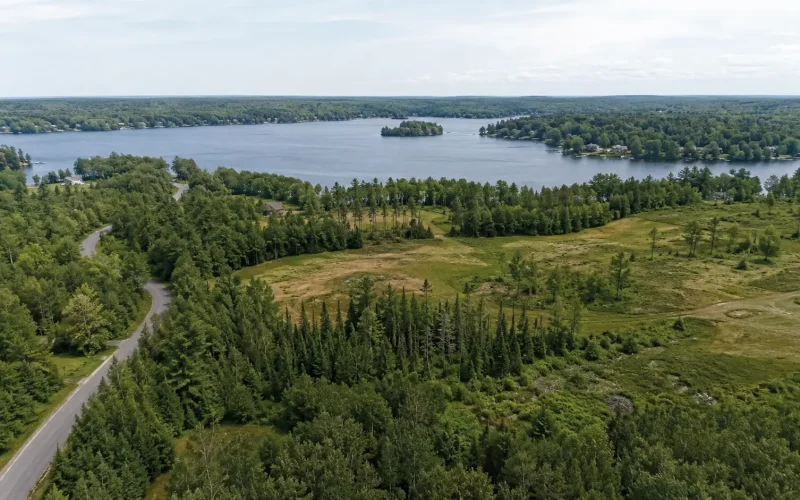
The Rosseau Springs subdivision proposal in Ontario is a proposed 49-lot rural residential development near the Village of Rosseau in the Township of Seguin. According to the official Rosseau Springs development overview, the project covers a 108-hectare site west of Rosseau Village, with about 83 hectares proposed to remain as natural areas.
The proposal has attracted attention because it involves rural housing, lake-area environmental concerns, private wells and septic systems, and planning approvals from the Township of Seguin. A CBC News report on local opposition also brought wider attention to the debate, including concerns from ratepayers and high-profile seasonal residents.
For readers following Ontario property, development, and community planning issues, this case shows how rural subdivisions can become major public debates. It also connects with wider questions about housing demand, land use, and local growth, similar to themes covered in Business IN Canada’s guide to the best places to live in Ontario.
Where Is the Rosseau Springs Development Proposed?
The Rosseau Springs project is proposed near the Village of Rosseau in Seguin Township, Ontario. The Township of Seguin’s public page for the Official Plan amendment, zoning amendment, and draft plan of subdivision identifies the planning file for the Rosseau Springs lands and links to the formal notice of complete application.
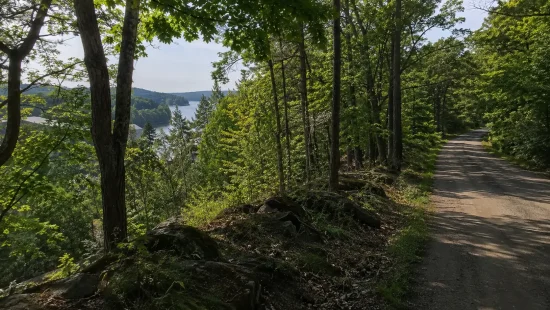
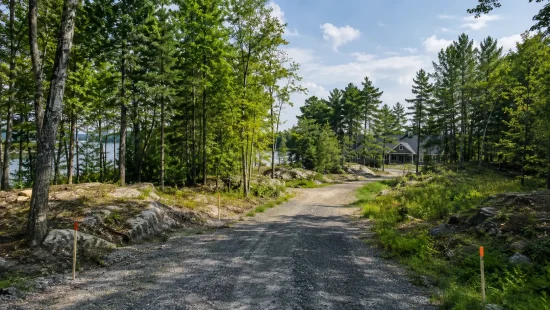
The site is described by the developer as being immediately west of Rosseau Village. The land is heavily wooded, with mixed hardwood and hemlock trees, natural slopes, rock features, and land that generally slopes toward Lake Rosseau. The development concept also includes new road connections, with lots fronting onto existing Maplehurst Road and a Summit Drive extension.
Because Rosseau sits in a well-known cottage and tourism area, any large land-use proposal attracts close public attention. Muskoka and Parry Sound communities rely heavily on natural scenery, lakes, seasonal residents, construction, hospitality, and recreation. That makes planning decisions more than just local paperwork; they can affect property markets, local businesses, and community identity.
What Does the Proposal Include?
The Rosseau Springs proposal is not for a dense urban subdivision. It is being presented as a rural residential project with larger natural areas retained around smaller residential lots.
According to the developer’s project information, the plan includes:
- 49 rural residential lots
- A 108-hectare site
- Approximately 83 hectares retained as natural area
- Private services instead of municipal water and sewer
- New internal roads
- Recreational trails and open-space features
- Protection of natural features such as wetlands, steep slopes, and wooded areas
The developer’s environment page describes the project as using a conservation design approach. That means the plan is intended to cluster lots more carefully while leaving larger parts of the land undeveloped.
However, the public debate is about whether that approach is enough. Opponents are concerned about the cumulative effects of roads, driveways, house construction, wells, septic systems, stormwater runoff, and long-term residential use in a sensitive lake-area environment.
Why Does the Proposal Need Planning Approval?
The Rosseau Springs development requires formal planning approvals because the land is not already approved for a 49-lot subdivision.
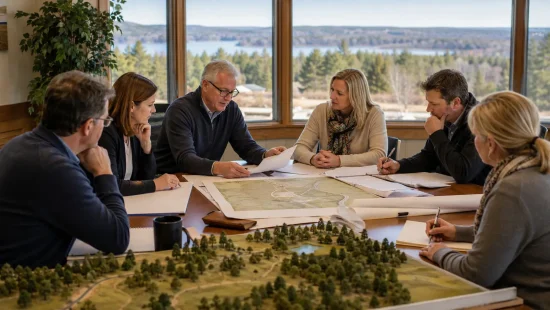
The Township of Seguin notice of complete application says applications were received for an Official Plan Amendment, a Zoning By-law Amendment, and a Draft Plan of Subdivision. The notice says the Official Plan Amendment would modify policy to permit a 49-lot rural residential development by way of a plan of subdivision.
In simple terms, the developer needs permission to change how the land can be used. The current planning framework allows limited rural residential development, but a subdivision of this size needs additional approval.
This is important for residents and investors because land value often depends on planning permissions. A rural property with limited development rights is different from land that has subdivision approval. Readers interested in how land and property can fit into wider investment decisions may also find Business IN Canada’s guide to the best investment options in Canada useful for broader context.
Why Are People Opposing the Rosseau Springs Proposal?
The Rosseau Springs subdivision proposal has become controversial because it raises several local concerns at the same time. These include environmental protection, rural character, lake health, infrastructure, traffic, emergency access, and whether this type of growth belongs near Rosseau Village.
Opponents are not simply objecting to houses in general. The concern is whether 49 lots, private wells, septic systems, roads, and individual home construction could create long-term impacts on the land and nearby water systems.
The public attention increased after CBC covered ratepayer anger and celebrity-linked opposition to the project. The CBC report on the Rosseau development debate focused on the wider dispute around development, environmental concerns, and local decision-making in the Muskoka area.
What Are the Main Environmental Issues?
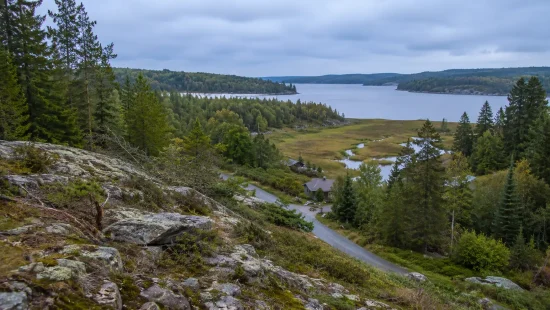
Environmental concerns are central to the Rosseau Springs debate. The developer says the proposal would preserve much of the site as natural area, while critics worry about what happens once individual lots are sold and homes are built.
The Rosseau Springs studies page includes technical documents such as an environmental impact study, peer review materials, hydrogeological report, servicing options statement, stormwater management report, geotechnical report, archaeological assessment, and traffic impact brief.
Those documents matter because planning decisions usually rely on technical evidence, not only public opinion.
Still, residents may question whether studies fully address long-term practical impacts such as:
- tree removal and habitat disturbance
- stormwater flow toward Lake Rosseau
- private septic performance over time
- groundwater protection
- road maintenance and winter access
- construction disturbance
- slope stability
- cumulative pressure on a rural landscape
In cottage-country communities, environmental planning is closely tied to local economic value. Lakes, forests, trails, views, and quiet rural roads are part of what makes the area attractive to property owners, tourists, and businesses.
Will the Development Use Municipal Water and Sewer?
No. The developer’s Rosseau Springs FAQ page states that each owner would be responsible for installing their own well water and septic system.
This is one of the most important points in the debate. Private wells and septic systems are common in rural Ontario, but a multi-lot subdivision can raise questions about long-term maintenance, groundwater, drainage, and environmental protection.
The FAQ also says Rosseau Springs is selling lots rather than completed homes. That means buyers would work with builders to construct their own homes. For critics, this raises another concern: once a subdivision is approved, how strongly can design standards, septic installation, tree protection, and site disturbance be controlled across multiple individual properties?
Is Rosseau Springs an Affordable Housing Project?
The Rosseau Springs proposal should not be described as affordable housing unless the developer or municipality formally confirms affordability measures. Based on the developer’s FAQ, the project involves selling residential lots, with purchasers arranging construction of their own homes.
That does not mean the project has no housing impact. It could still add housing supply in the area. But it is different from purpose-built affordable housing, rental housing, or municipal housing programs.
This distinction matters because Ontario’s housing debate often includes very different types of supply. A rural lot-based subdivision near a premium lake-area community is not the same as new apartments, townhomes, or attainable housing near employment centres. For a wider look at housing and growth patterns, readers can also explore Business IN Canada’s article on the fastest-growing cities in Canada.
What Could the Proposal Mean for Local Businesses?
If approved, the Rosseau Springs subdivision could create business opportunities for builders, contractors, surveyors, designers, landscapers, septic installers, well drillers, road contractors, real estate agents, and local suppliers.
New residents or seasonal property owners could also support nearby restaurants, shops, trades, marinas, tourism businesses, and service providers. That is one reason rural development proposals can attract business interest.
However, the economic argument has another side. Local governments and residents may ask whether new tax revenue is enough to cover long-term public costs, such as road maintenance, emergency access, inspections, administration, and environmental oversight.
For small communities, development can bring both opportunity and pressure. Entrepreneurs looking at rural Ontario growth may also want to read Business IN Canada’s guide on how to start a small business in Ontario to understand broader provincial business basics.
What Happens If Council Approves or Refuses the Proposal?
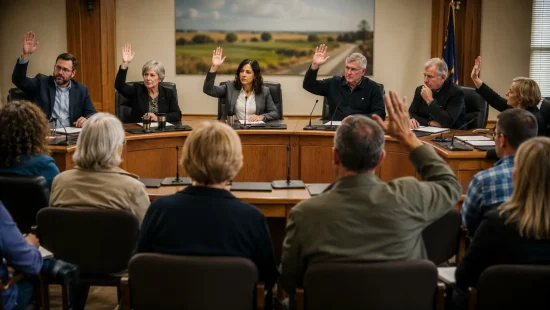
If council approves the required planning applications, the project could move forward subject to conditions. Those conditions could relate to roads, stormwater, environmental protection, servicing, lot layout, studies, or development agreements.
If council refuses the proposal, the developer may have options depending on the applicable planning rules and appeal rights. Ontario’s citizen guide to the Ontario Land Tribunal explains that some land-use planning decisions may be appealed, but appeal rights can be limited and depend on the type of decision, who is appealing, and whether proper submissions were made.
The Township notice is also important for residents because it explains that people who want to preserve possible appeal or participation rights usually need to make oral or written submissions at the correct stage of the process. Anyone directly affected should not rely only on social media or news reports; they should follow the official Township of Seguin planning file and consider professional planning or legal advice.
Why This Proposal Matters Beyond Rosseau?
The Rosseau Springs subdivision proposal matters beyond one property because it reflects a wider Ontario question: how should rural and lake-area communities manage growth?
Ontario needs more housing, but not every housing proposal is the same. A development inside a serviced town or city has different planning implications from a rural subdivision using private wells and septic systems near environmentally sensitive land.
The debate also highlights a familiar tension in high-value rural areas. Property owners often want to protect natural character, while developers argue that carefully planned housing can meet demand and support local economies. Neither side can be reduced to a simple slogan. The real question is whether the proposal fits the land, the local Official Plan, environmental limits, infrastructure capacity, and long-term public interest.
Key Takeaways
The Rosseau Springs subdivision proposal is a 49-lot rural residential development proposed near Rosseau Village in Seguin Township, Ontario. The developer says the project would preserve most of the 108-hectare site as natural area and follow a conservation design approach. Opponents remain concerned about environmental impacts, private wells and septic systems, road access, runoff, and the future character of the Lake Rosseau area.
The proposal requires an Official Plan Amendment, Zoning By-law Amendment, and Draft Plan of Subdivision approval. Residents, businesses, and property watchers should follow the Township of Seguin’s official notices, council agendas, minutes, and future decision documents rather than relying on only one source.
FAQs About the Rosseau Springs Subdivision Proposal Ontario
What is the Rosseau Springs subdivision proposal?
The Rosseau Springs subdivision proposal is a proposed 49-lot rural residential development near Rosseau Village in the Township of Seguin, Ontario. The developer says the site is 108 hectares, with about 83 hectares proposed to remain as natural area.
Where is the Rosseau Springs proposal located?
The proposal is located west of Rosseau Village, near Maplehurst Road and Highway 632 in Seguin Township. The Township of Seguin has posted the planning file on its official website.
How many lots are proposed?
The current proposal is for 49 rural residential lots, along with proposed roads and retained natural areas.
Will Rosseau Springs have municipal water and sewer?
No. The developer’s FAQ says each owner would be responsible for installing their own well water and septic system.
Why is the proposal controversial?
The proposal is controversial because residents and critics are concerned about environmental protection, lake health, private servicing, traffic, road access, rural character, and whether a 49-lot subdivision fits the area’s planning policies.
Is the proposal already approved?
The proposal requires planning approvals. Readers should check the latest Township of Seguin council materials, planning notices, agendas, and minutes for the most current status.
Could the decision be appealed?
Some Ontario planning decisions may be appealed to the Ontario Land Tribunal, but appeal rights are limited and depend on the specific application and whether proper public submissions were made. Anyone directly affected should check the official notice and seek professional advice if needed.